Choosing between concrete and asphalt for your driveway is one of those decisions that feels simple until you start looking into it. Both materials do the job, but they behave very differently over time, and the wrong choice can cost you more in repairs than you saved upfront.
This comparison focuses on what actually matters for homeowners: how long each material lasts, what it costs to maintain, and which one makes more sense for a residential property in Melbourne’s south-east.
How Long Each Material Actually Lasts
A well-laid concrete driveway typically lasts 30 years or more with minimal intervention. Concrete is a rigid material, so it holds its shape under load and resists the kind of gradual deformation that softer surfaces develop over time.
Asphalt has a shorter lifespan, generally in the range of 15 to 20 years under normal residential use. It also needs resealing every three to five years to stay in reasonable condition, which adds to the long-term cost even if the upfront price looks attractive.
For homeowners who want a surface that holds up without regular attention, a new concrete driveway is usually the more practical choice over a 20-plus year horizon.
How Each Material Handles Australian Conditions
Heat is where the two materials diverge most noticeably. Asphalt softens in high temperatures, which can cause surface rutting under the weight of parked vehicles during summer. In Melbourne’s south-east, where summer days regularly push past 35 degrees, this is a real consideration rather than a theoretical one.
Concrete stays rigid in the heat, though it can develop surface cracks over time if the ground beneath it shifts. Proper sub-base preparation and control joints during installation reduce this risk significantly. Residential concrete used in driveways is designed to handle the thermal and load demands of everyday use, and concrete mixes for residential applications are formulated to perform across a wide range of conditions.
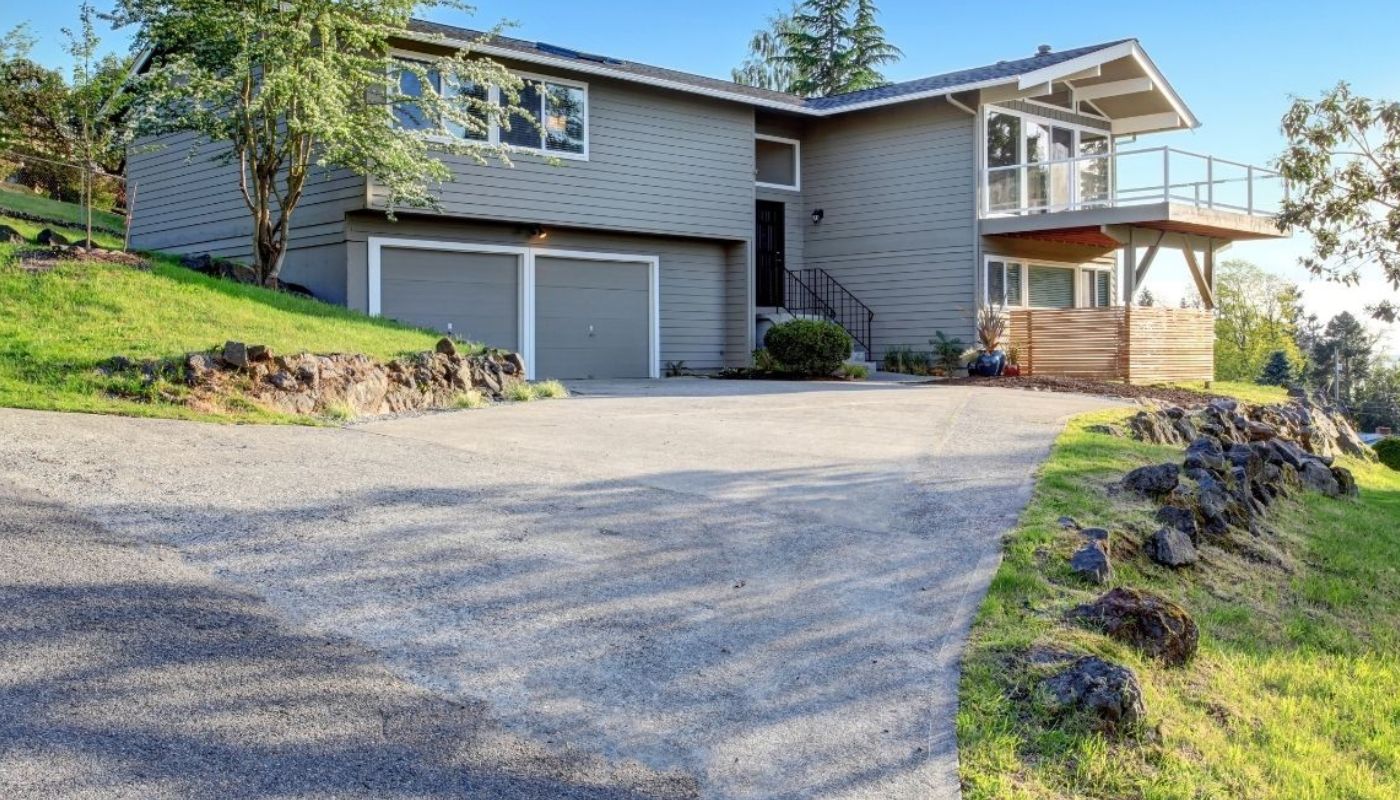
Asphalt handles freeze-thaw cycles reasonably well, but that is less relevant in this part of Victoria than in colder climates. The heat performance gap matters more locally.
Upfront Cost vs Long-Term Cost
Asphalt is cheaper to install. For a standard residential driveway, asphalt typically costs less per square metre than concrete, which makes it appealing when the budget is tight.
The gap narrows over time. Resealing, patching, and eventual resurfacing add up across the life of an asphalt driveway. Concrete costs more at the start but generally needs less ongoing maintenance, which shifts the economics in its favour over a longer timeframe.
If you are planning to stay in the property for more than a decade, the total cost of ownership for concrete is usually lower. If you are renovating to sell in the short term, asphalt may be the more cost-effective option.
Repairs: What Goes Wrong and How Hard It Is to Fix
Asphalt is easier and cheaper to repair when damage occurs. Cracks and potholes can be patched without the repair being obvious, because the surface colour is uniform and new asphalt blends reasonably well with old.
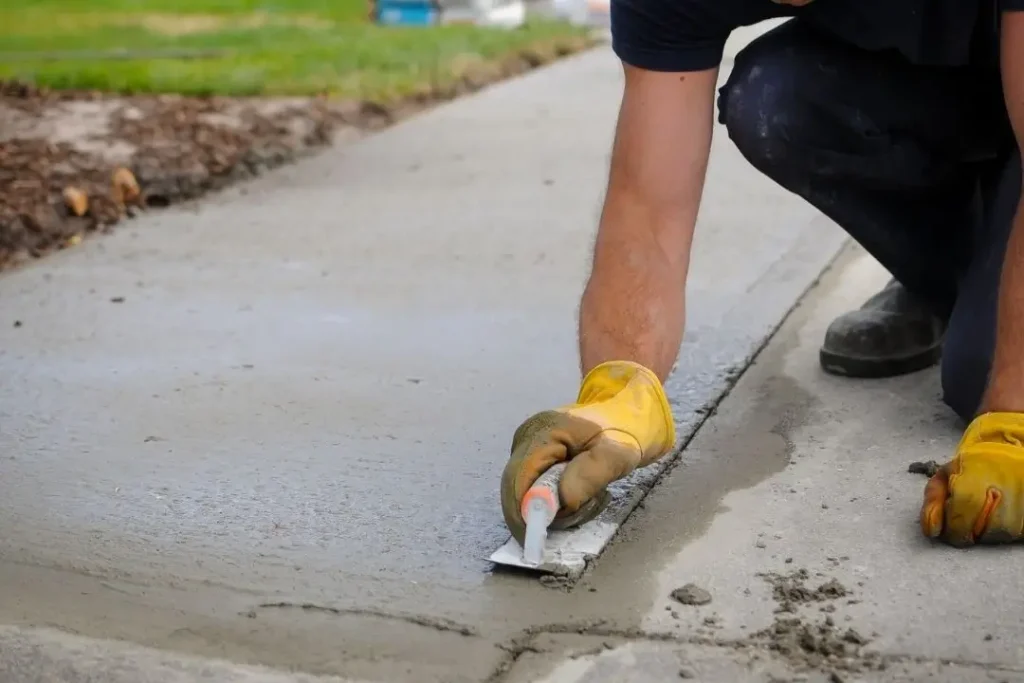
Concrete repairs are more visible. A patched section rarely matches the colour and texture of the surrounding slab, so cosmetic outcomes can be a concern. That said, concrete tends to need fewer repairs overall, so the issue comes up less often.
Oil stains are more of a problem on concrete, where they can penetrate the surface and leave permanent marks. Asphalt hides staining better due to its dark colour, which is worth keeping in mind if vehicles are regularly parked and serviced on the driveway.
Appearance and Kerb Appeal
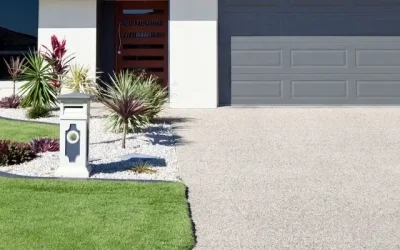
Concrete offers more flexibility in terms of finish. It can be coloured, exposed aggregate, stencilled, or brushed to suit the style of the home. These finishes add cost but can significantly lift the appearance of the property.
Asphalt has one look: dark grey to black. It is clean and functional, but there is limited scope to vary the finish. For homeowners who want the driveway to complement the house rather than just serve it, concrete gives more options.
If you are weighing up more than just these two materials, a broader look at driveway surface options can help clarify which direction suits your property and budget.
Environmental and Drainage Considerations
Neither concrete nor asphalt is permeable in standard form, so both direct stormwater runoff toward drains or garden beds. If drainage is a concern on your block, the design of the driveway edges and surrounding landscaping matters more than the surface material itself.
Permeable versions of both materials exist, but they are less common in residential applications and come at a higher cost. For most standard driveways, conventional concrete or asphalt is what gets installed.
Which Material Makes More Sense for Most Homeowners
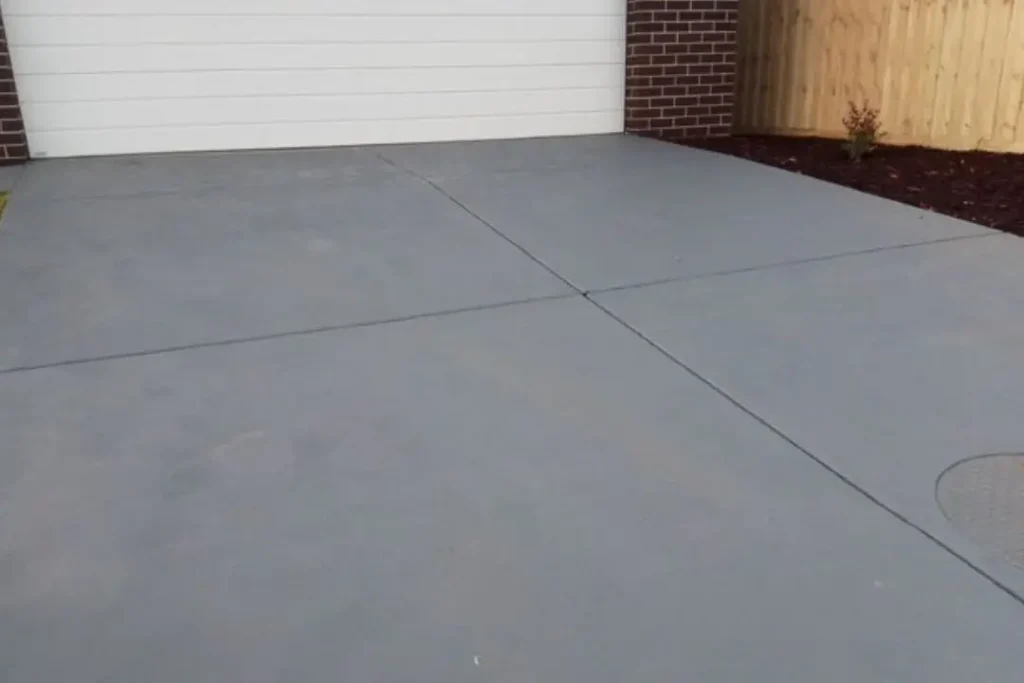
For residential properties in Frankston, the Mornington Peninsula, and Melbourne’s south-east, concrete is the more durable and lower-maintenance choice in most situations. The climate, the typical length of homeownership, and the value placed on appearance all point in that direction.
Asphalt makes sense when the budget is the primary constraint, the property is being prepared for sale, or the driveway needs to be replaced quickly with minimal disruption. It is a practical material, just not the longer-lasting one.
Ready to Talk Through Your Driveway Options?
If you are weighing up materials for a new driveway or replacing an existing one, our concrete contractors are happy to walk you through what makes sense for your property and budget. No pressure, just straightforward advice from an experienced local team that handles driveway projects across the wider south-east, including concreting in Dandenong.
Send us your details through our enquiry form or call us directly on (03) 9000 0676 for your free onsite quote.