Why Colour Choice Feels Simple But Rarely Is
Most homeowners pick a concrete colour from a small sample card and assume what they see is what they’ll get. The finished slab often looks quite different, and by then there’s no easy way to change it.
Colour in concrete is affected by the mix, the finish, the sealer, the sunlight, and even how wet or dry the slab is on the day you inspect it. Understanding these variables before you commit saves a lot of frustration later.
How Colour Gets Into Concrete
Coloured concrete gets its colour from iron oxide pigments blended into the mix before it’s poured. These pigments are stable, UV-resistant, and run through the full depth of the slab rather than sitting on the surface like a paint or stain.
The range of available oxide colours is broad, covering earthy tones, greys, terracottas, and darker shades. Most suppliers offer dozens of standard options, with custom blends available for specific projects.
Because the pigment is mixed in, chips and surface wear don’t expose a different colour underneath. That’s a practical advantage over surface-applied coatings, which can peel or fade unevenly over time.
What the Sample Card Won’t Tell You
Sample cards show colour under controlled conditions, usually indoors, under consistent lighting. Your driveway, patio, or path sits outside in full sun, partial shade, or both depending on the time of day.
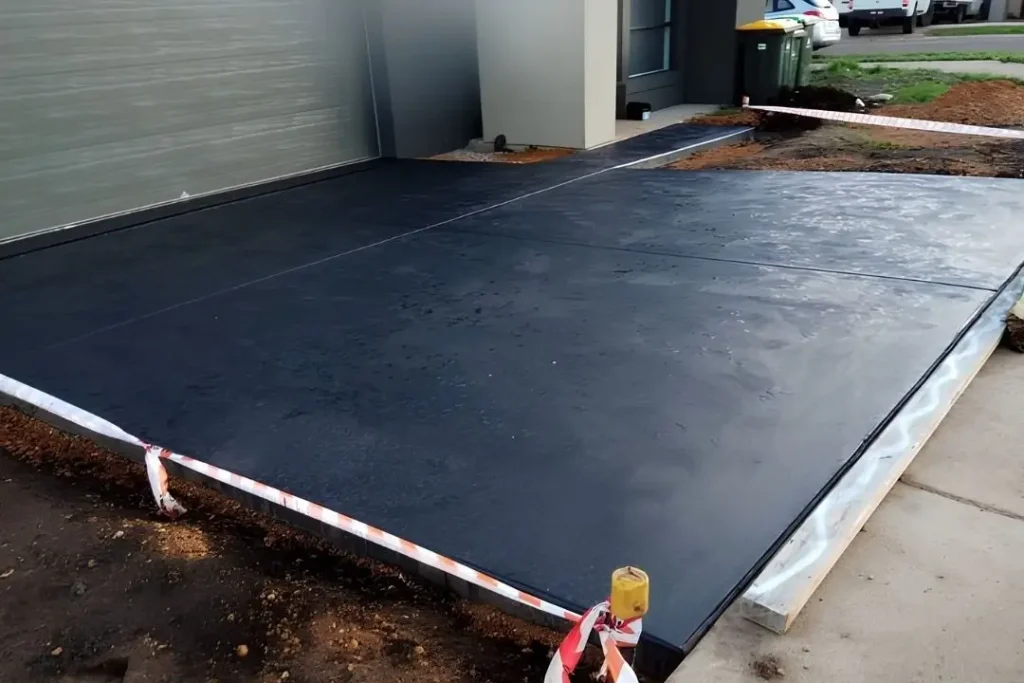
Concrete also looks noticeably darker when wet. A slab that looks like a warm mid-grey after rain can appear almost two shades lighter once it dries out in summer. If you’re choosing a colour in winter or on an overcast day, factor in how it will read in bright afternoon light.
Sealer choice affects the final appearance too. A gloss sealer deepens the colour and adds sheen. A matte sealer keeps the look more natural and subdued. Ask to see both options on your chosen colour before making a final call.
Matching Colour to Your Home’s Exterior
The most reliable approach is to work from what’s already fixed: your roof, brickwork, render, or cladding. Concrete that fights with these elements tends to date quickly and can make a property feel disjointed.
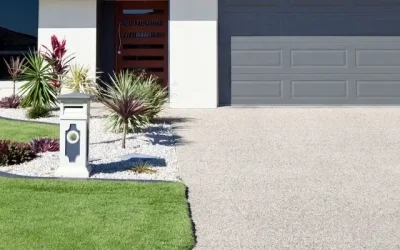
Warm-toned homes, those with red brick, terracotta roof tiles, or timber cladding, generally suit earthy concrete colours like sandstone, buff, or light brown. Cooler homes with grey render, Colorbond roofing, or white weatherboard tend to suit charcoal, slate, or neutral grey tones.
If your home sits somewhere in between, a mid-range warm grey is often the safest choice. It reads as contemporary without clashing with either warm or cool elements.
Thinking About Where the Concrete Will Go
The location of the slab matters as much as the colour itself. A coloured concrete driveway is exposed to full sun, tyre traffic, and oil stains. Lighter colours can show tyre marks and surface contamination more readily than mid-tones or darker shades.
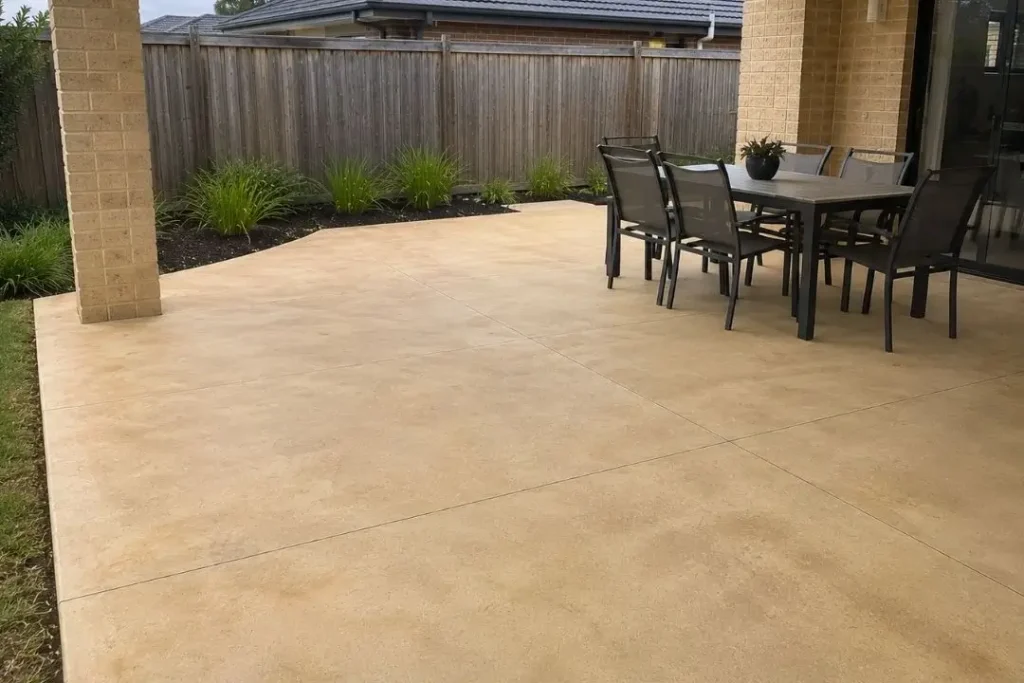
For a concrete patio in a shaded courtyard, darker colours can make the space feel smaller and heavier. A lighter or mid-tone colour reflects more light and keeps the area feeling open, especially in Melbourne’s south-east where many backyards face south or get limited afternoon sun.
Pool surrounds have their own considerations. Heat absorption is a real factor, as darker concrete can become uncomfortably hot underfoot in summer. If you’re looking at concrete finishes around a pool, lighter colours and textured surfaces are worth prioritising for both comfort and slip resistance.
Practical Advantages That Should Influence Your Choice
Colour choice isn’t just aesthetic. A well-chosen colour can reduce how often you need to clean, how much heat the surface absorbs, and how well the concrete holds its appearance over years of use.
Mid-tones tend to be the most forgiving in everyday use. They don’t show dust and dirt as readily as very light colours, and they don’t absorb as much heat as very dark ones. The practical advantages of coloured concrete extend beyond appearance, particularly when the colour is chosen with the local climate and intended use in mind.
In Frankston and across the Mornington Peninsula, UV exposure is significant. Colours that look rich and saturated in a showroom can fade faster than expected without a quality UV-resistant sealer applied and maintained correctly.
How Finish Affects How Colour Reads
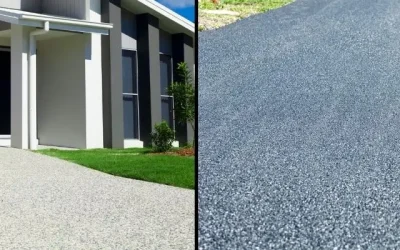
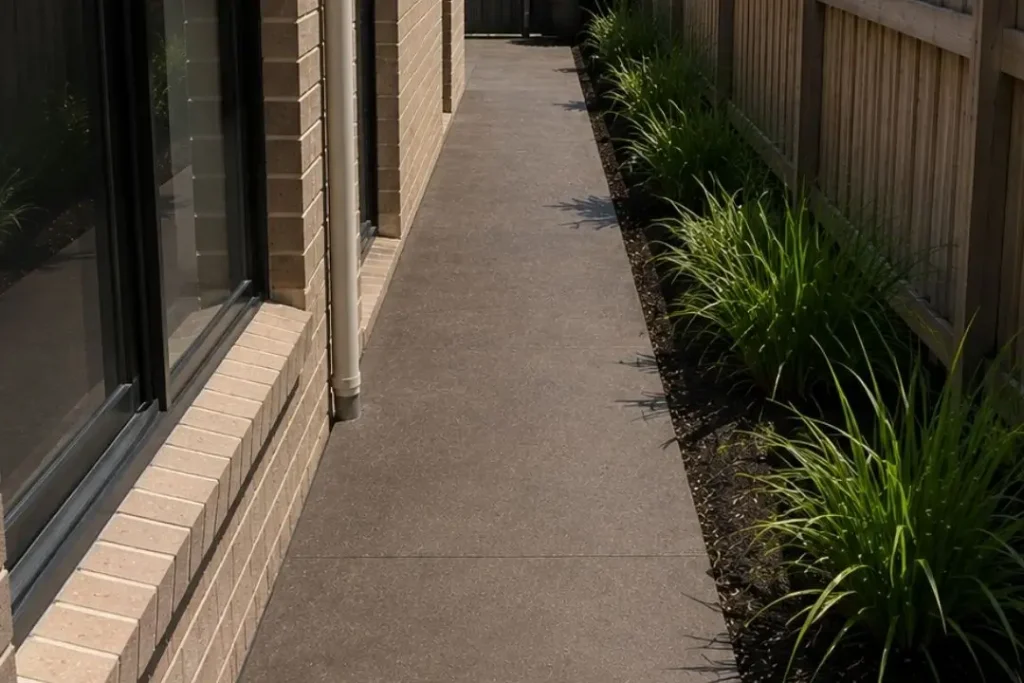
The surface finish changes how a colour appears in natural light. A broom finish scatters light across the surface and makes the colour look slightly lighter and more textured. An exposed aggregate finish breaks up the colour with the natural tones of the aggregate, which can either complement or compete with your chosen colour depending on the stone used.
A honed or polished finish brings out the depth of the colour more than any other option. It also shows marks and surface variation more clearly, so it suits areas with lower foot traffic or where regular maintenance is realistic.
Talk through the finish options with your concreter before locking in a colour. The two decisions are linked, and changing your mind about the finish after the pour isn’t an option.
Getting a Sample in the Right Conditions
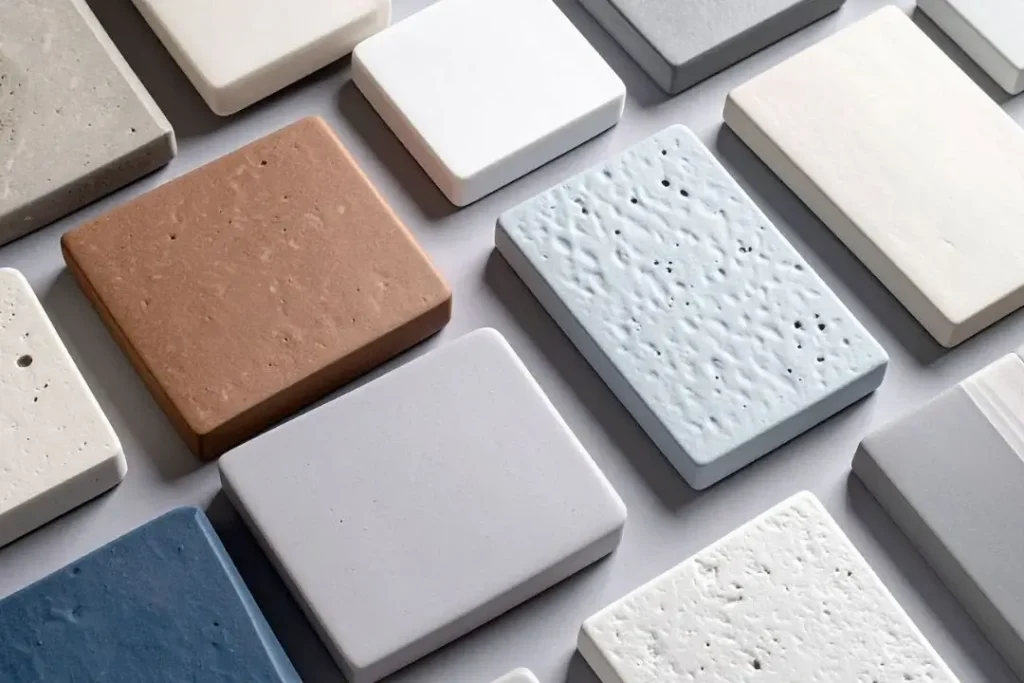
If you’re serious about a particular colour, ask your concreter to show you a cured sample slab rather than a printed card. A small poured sample, sealed with the product you intend to use, gives you a far more accurate read of the final result.
View the sample at different times of day and in the actual location where the concrete will go. A colour that looks right in the morning shade of a showroom can look completely different on a north-facing driveway at midday.
Take your time with this step. Once the concrete is poured and cured, your options for changing the colour are limited to surface staining or coatings, both of which add cost and maintenance obligations.
What to Do Before You Finalise Anything
Narrow your colour choices down to two or three options based on your home’s exterior tones and the location of the slab. Then view cured samples in the actual conditions where the concrete will sit.
Confirm your sealer choice at the same time as your colour choice, since the two affect each other. And make sure your concreter knows the intended use of the area so they can advise on finish, texture, and any practical considerations specific to your site.
Getting these decisions right before the pour is straightforward with the right advice. Getting them wrong is expensive to fix.
Talk to a Local Concretor Before You Decide
If you’re working through colour and finish options for a driveway, path, or outdoor area in Frankston or the surrounding suburbs, our team can walk you through what works well in this area and what to avoid.
For a concreter Frankston and the wider Mornington Peninsula trust for honest, practical advice, call us on (03) 9000 0676 or send us a message through our project enquiry form. We’re happy to discuss your options and provide a free onsite quote.